When Silence Speaks: A Healing Guide for When A Relationship Goes Cold

I'm the kind of person who gives and loves - sometimes to a fault. I love hard, I care deeply, and I show up fully. But sometimes, I give too much, too soon. Even when someone hasn't earned that level of trust or access.
In moments of heartache, I’d wonder if my open heart was the problem. Maybe if I gave more, shared more, poured more… someone would stay.
What I’ve come to learn is this: what looked like love bombing wasn’t manipulation — it was love overflow. It was a trauma response wrapped in hope. A longing to be seen, heard, and held. To be received without fear of rejection or abandonment.
As a trauma survivor, I now recognize how deeply I crave love — and how quickly I offer it, hoping it will be returned. I’ve given my heart too fast, too freely. I’ve opened up too wide without checking if it was safe to do so.
And when I step back and really evaluate regarding the man I had been speaking to daily for nearly a month, a Filipino-American (bear with me, I’m getting a point, so keep reading)… I realized he exhibited toxic behaviors that I don’t think he fully recognized. They’re not overt acts of cruelty, but rather the kind of emotional rigidity that comes from unprocessed pain and unresolved trauma. He once shared a story about how he handled conflict within his family, and it left me unsettled — not because of what was done exactly, but because of what it revealed: a deep disconnect from compassion.
When Cultural Discipline Overshadows Compassion

I understand that cultural upbringing plays a role. In many Asian households, especially in Filipino communities, discipline and respect are emphasized heavily — sometimes to the point where grace is replaced by shame. But that doesn’t make emotional harshness okay.
Just because someone has been through trauma doesn’t mean they get a pass to inflict emotional harm. Unhealed people can carry forward harmful cycles without even realizing it. I’m guilty of it myself.
In many Asian households — particularly Filipino families — discipline, respect, and obedience are non-negotiable values. Cultural expectations are often deeply ingrained, and children are raised with a strong emphasis on honoring elders and maintaining family reputation. While these values can foster resilience, loyalty, and structure, they can also create emotionally repressive environments when not balanced with empathy.
I’ve seen both ends of the spectrum. My Stepmom, who is Filipina, ruled us with an iron fist. Her version of love was strictness, control, and a rigid sense of right and wrong. My biological mother, also Filipina, was the opposite — gentle, understanding, and far less authoritarian. Having two Filipino mothers and two American dads created complex dynamics in my household. It was a constant dance between cultural pride and emotional dissonance.

So, when the guy I was talking with shared his experiences — when I heard the tone of control and discipline in the way he parents — I felt it in my gut. It reminded me of how hard and cold love can feel when it’s masked as tradition. It made me think of my friends growing up, some of whom lived in two-Asian-parent households, where perfection was expected and feelings were often silenced.
That’s why emotional intelligence and self-awareness are vital — not just for ourselves, but for the people we impact. Without it, cultural norms can unintentionally cause emotional harm. We owe it to ourselves — and those we love — to examine how we were raised, and whether we’re repeating patterns that no longer serve us or anyone else.

Because the truth is: hurt people do hurt people. And unless we pause to do the heartwork, we can become blind to the ways we perpetuate pain.
This, too, is clarity. And clarity is a gift.
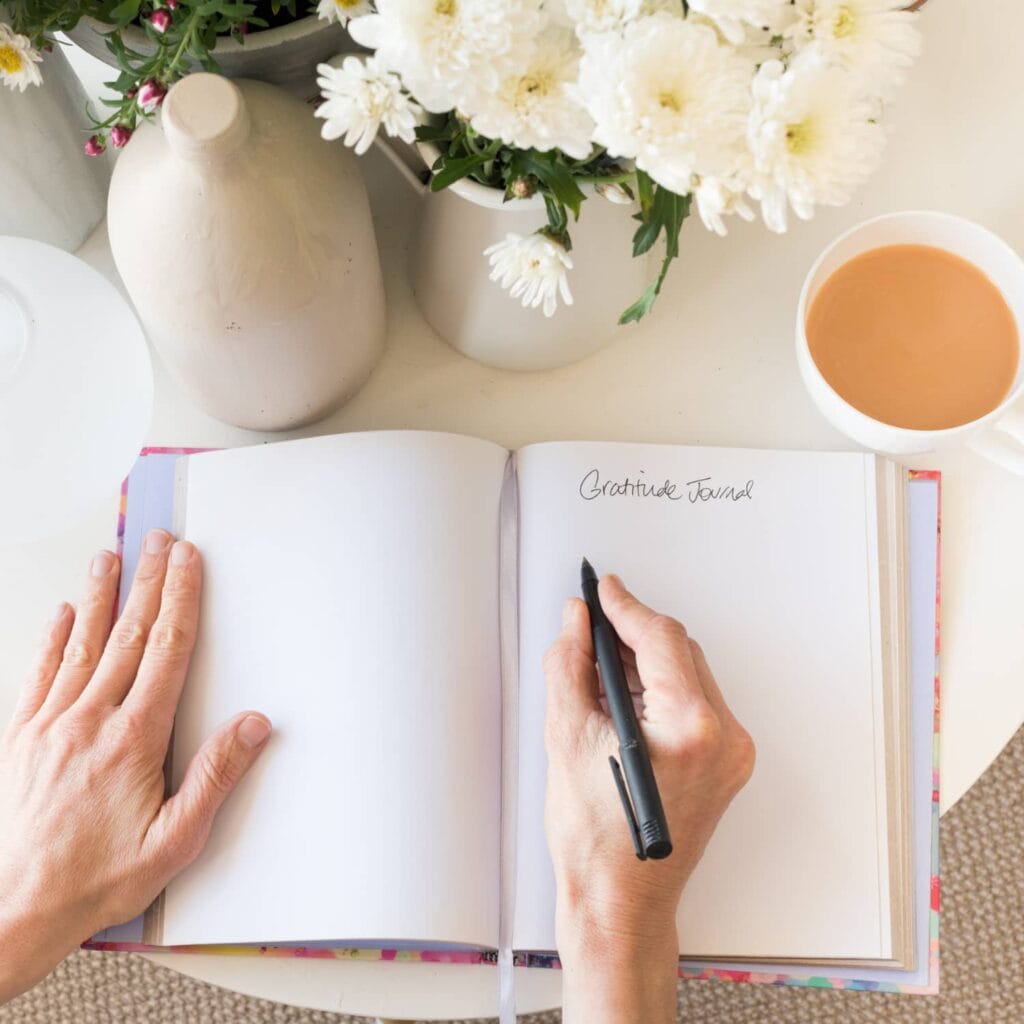
Journal Prompt:
• What behaviors or moments have made you pause and reconsider someone’s place in your life?
• Have you ever mistaken emotional control or punishment for discipline or strength?
• What qualities do you now know you must have in a relationship?
• What do you consider red flags — and how will you honor those feelings moving forward?
Have you ever talked to someone and felt like no time was lost? Like they understood you on a soul level? You find yourself pouring out stories, secrets, dreams, and vulnerabilities — before realizing…has this person earned wifey-level conversations yet?
Time to Stop, Collaborate, & Listen…And Stop Wearing My Darn Heart On A Sleeve!
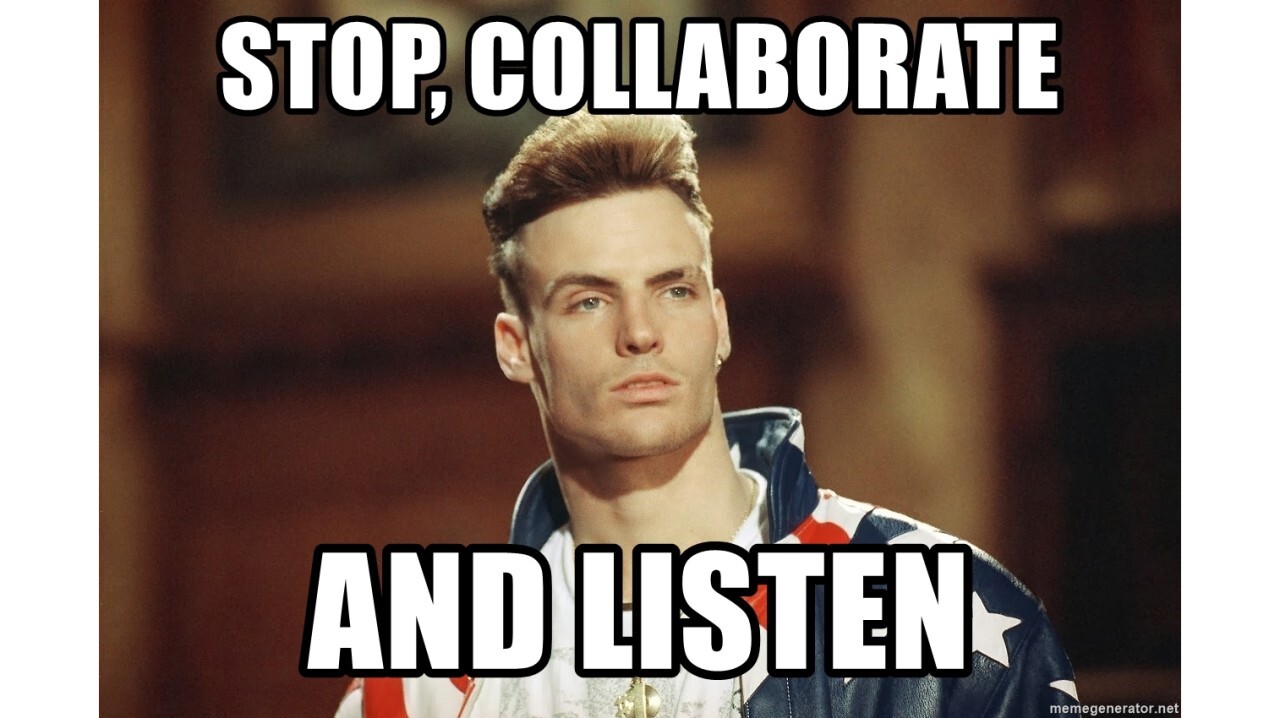
Yeah. That’s me. I wear my heart on my sleeve. And it’s beautiful, but it’s also tender work.
Truth be told, I struggle with dating. With talking to men. With pacing relationships. I have a servant’s heart and a longing for something real — but my heart often races ahead of discernment.
So, when I text a man with vulnerability… and I’m met with silence? No reply. No explanation. Just… nothing?
It cuts deeper than words can say.
Because silence, in its own way, screams.
And what do you do when that silence stretches into days, maybe even weeks?
You exit quietly. You grieve deeply. And then — you begin again.
Today, I choose to practice how to love without losing myself. To share without oversharing. To open without unraveling. To guard my peace while keeping my heart soft.
A song that’s carried me through this season is Tasha Cobbs’ “Gracefully Broken.” It feels like an anthem for the woman learning to rise after loving too fast. For the survivor rebuilding with grace, clarity, and boundaries.
And boundaries? Let’s talk about those. Because for many trauma survivors, boundaries feel like saloon doors — swinging back and forth, holding on to the hope that maybe they’ll come back around.
But hope without reciprocity isn’t healing — it’s self-abandonment.
So, do yourself the kindest favor:
Exit the silence.
And if you’re not sure how? I’ll walk you through it.

When You’re Anxious, Sleepless, and Stuck in Your Head
If you’ve ever lost sleep waiting for a text, wondering what you said wrong, or feeling like you’re stuck in a holding pattern of emotional uncertainty — please know, you’re not alone. Here are a few techniques that helped me calm the storm:
Grounding Techniques for High Anxiety & Emotional Overwhelm
1. Body Grounding
- Plant your feet firmly on the floor.
- Press your palms together or place a hand over your heart.
- Breathe deeply:
- Inhale for 4 seconds
- Hold for 4 seconds
- Exhale for 4 seconds
Whisper to yourself:
“I am safe in my body. My thoughts are not facts. My heart deserves peace.”
2. Emotional Labeling (Name it to tame it)
Say or journal:
- “I feel…” (anxious, rejected, confused)
- “I wish he had…” (been honest, said goodbye)
- “What I needed most was…” (clarity, care, communication)
Naming your emotions helps your brain process and release them instead of spiraling.
Reframing the Narrative
- His silence is not your fault.
- Your intensity came from sincerity, not toxicity.
- You’re not too much — you were just unprotected.
“I gave love. I gave grace. Now, I give myself the gift of peace.”
A Letter to Your Inner Self (Optional)
If you need a reset, write this (or revisit the one I wrote):
Dear Me,
I know you’re hurting. I feel the heaviness in your chest and the ache in your heart. You hoped this time would be different…
(Continue with kindness. Give yourself what they couldn’t.)
Now, let’s get back to your healing…


Comments
Post a Comment