When the Workload Breaks You: PTSD, Work Stress, and the Courage to Ask for Help
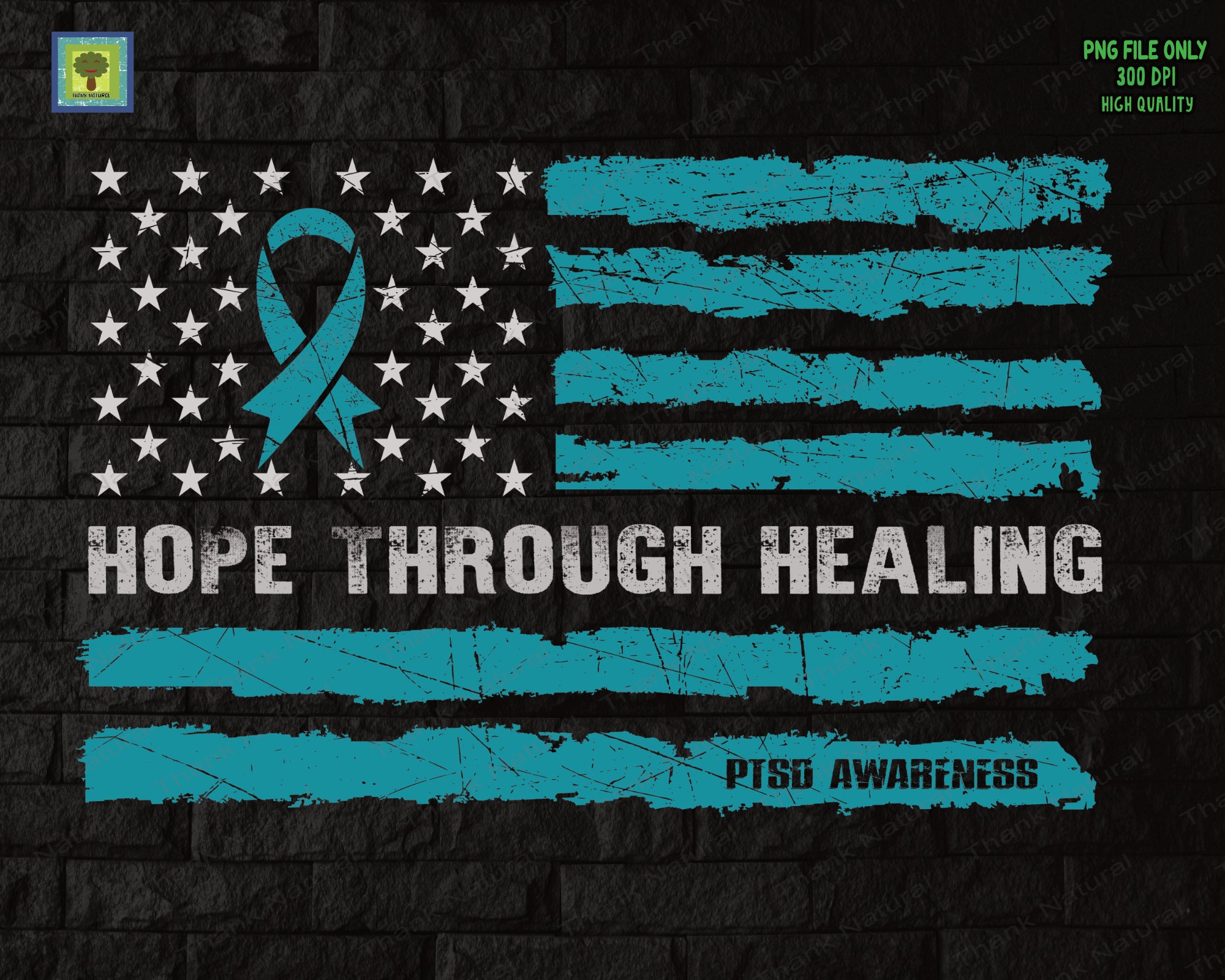 |
| Source: ThankNaturalDesigns on Etsy |
There’s a unique kind of exhaustion that creeps in—not just physical, but emotional, mental, and spiritual. It's the kind that doesn't go away after a good night’s sleep or a weekend off. It's the kind you carry with you, silently, while showing up every day trying to hold it all together.
And for those of us living with PTSD, that exhaustion can turn into something deeper: a silent unraveling.
The Breaking Point Came Quietly
After returning from a much-needed vacation, I walked back into a workplace that had shifted under my feet. Eight employees had left due to workforce restructuring under the current Administration. Two administrative staff positions were vacant—and suddenly, I was handed the responsibility of becoming the location purchasing agent for all three organizations.
I’m an Administrative Assistant, and procurement is a huge part of what I do. But this? This was overwhelming. The workload didn’t just double—it exploded. No added time, no relief, just “do more with less.” And as someone who already carries the weight of service-connected PTSD, I started to feel that familiar wave of fight-or-flight, brain fog, and emotional dysregulation.
This Isn’t Just Stress—It’s a Flare-Up
To the outside world, I was functioning. But inside, I was unraveling.
I became:
Emotionally and mentally drained
Hyper-aware, yet constantly unfocused
Avoidant of conflict, yet suffocating in silence
Unmotivated, tired, and painfully self-critical
Even small tasks became overwhelming. I felt like a failure in a role I once thrived in. All the old trauma—the perfectionism, the pressure to perform, the feeling of being unseen—came rushing back.
And that’s when I realized: This is not just burnout.
This is PTSD being triggered by workplace conditions, I can no longer dismiss as “just part of the job.”
How I Advocated for Myself
I did something hard:
I started documenting my symptoms.
I opened up to colleagues I trust—and asked them to write buddy statements supporting the changes they’d seen in me to support my request for an increase in my disability rating. It is scary, and I wonder if I should continue moving forward or not. But the more I struggle, the more I think that I must do this.
And soon, I’ll speak with a therapist to document the worsening of my symptoms—because it’s time I honor what my body and mind are trying to tell me:
You’re not okay. And that’s OKAY.
If You’re a Veteran in the Workplace, You’re Not Alone
Too many of us are navigating civilian careers while quietly carrying invisible injuries from our time in service, whether from combat, MST (Military Sexual Trauma), or the cumulative toll of military life.
Here’s what I’ve learned:
If you are already rated at 70%, the VA does not re-question your original PTSD diagnosis when you ask for an increase—they evaluate how your symptoms have worsened.
You can file for a rating increase or even TDIU (Total Disability based on Individual Unemployability) if your symptoms prevent you from working effectively.
Buddy statements, symptom logs, and therapy documentation are critical.
And perhaps most importantly—you deserve to be supported, not just tolerated.
It’s Okay to Speak Up
If you’re a veteran trying to survive the demands of a job that’s triggering your trauma… I see you.
If you’re quietly struggling behind a strong front… I understand.
And if you’re wondering if it’s worth asking for help… let me be the first to say: yes, it is.
Healing isn’t linear. And sometimes, our strongest move isn’t pushing through—but pausing, speaking up, and taking care of the version of us that’s hurting.
Have you experienced a PTSD flare-up due to work stress?
Let’s talk. You’re not alone.
Feel free to reach out or share this with someone who needs to hear it.


Comments
Post a Comment